Southeast Asia between autocratization and democratic resurgence
Lorch, Jasmin / Janjira SombatpoonsiriExterne Publikationen (2020)
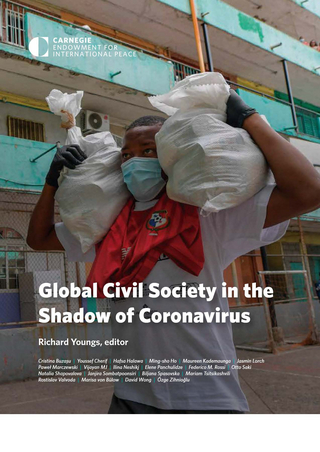
in: Richard Young, Global civil society in the shadow of Coronavirus, Washington, D.C.: Carnegie Endowment for International Peace, 5-10
In Southeast Asia, the coronavirus pandemic presents both challenges for civic engagement and opportunities for positive change. On one hand, the pandemic has provided a pretext for autocrats to tighten their grip on power, deepening existing regional trends in autocratization and shrinking civic space. On the other hand, civil society organizations (CSOs) have emerged to focus on economic and social welfare needs, and their activism may challenge autocrats in the long run. Although some regimes have been effective in addressing the health emergency and nascent economic setbacks, others have performed poorly and faced growing domestic criticism. Southeast Asian civil society will need to leverage the weaknesses of autocratic governance that the pandemic has revealed by creating broad-based alliances, challenging autocratic narratives, and proposing democratic visions for post-pandemic societies. Five trends are emerging in Southeast Asia as a result of the pandemic and are pushing in very different
political directions: tougher government restrictions on CSOs, contentious civil society action, new mutual aid initiatives, organized relief efforts, and repurposed advocacy groups.