
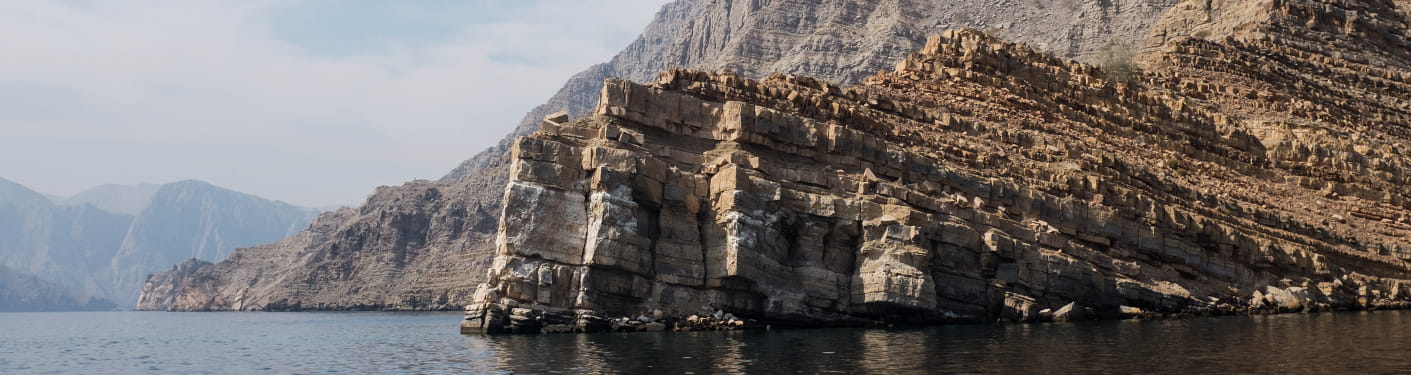
The Strait of Hormuz, the key maritime trade route through which a third of the world’s crude oil supplies were being transported in 2025 remains blocked. Its blockade exacerbates existing crises, exposing energy dependencies and trade-based fragilities. Increasing energy prices, but also food and fertiliser scarcity, inflationary pressures and decreasing remittances from the Gulf States hit the societies of low-income economies the hardest, threatening to further halt progress towards sustainable development.
IDOS analyses the ongoing situation from a development perspective. The field of development cooperation is both highly impacted by the current crisis, with a risk of further shifts towards short-term coping, emergency relief and humanitarian aid taking away resources for mid- to long-term transformative and structural change. At the same time, it also offers ways to address the crisis through strengthening and diversification of energy systems and building resilient cooperation architectures for the future.
Team






Publications
The oil shock and the new political economy of development cooperation
Sumner, Andy / Stephan Klingebiel (2026)
Policy Brief (18/2026)
How development policy can avert the fertiliser crisis
Tups, Gideon / Katharina Molitor (2026)
The Current Column of 13 April 2026
Electrolysis-based nitrogen fertilisers as a promising innovation in Africa
Stamm, Andreas / Christine Bosch / Fernanda Nan (2026)
The Current Column of 30 March 2026
How Germany Can Promote a New Social Contract in Iran
Trautner, Bernhard / Markus Loewe (2026)
The Current Column of 18 March 2026
Der Iran-Krieg als Stresstest für die „Diversifizierung von Partnerschaften“ im Sahel
Tschörner, Lisa
Megatrends Spotlight 53, 16.04.2026
Food Security Implications of Armed Conflict in the Middle East and the Strait of Hormuz Blockage
Algieri, Bernardina / Lukas Kornher, Joachim von Braun (2026)
ZEF Policy Brief Nr. 68
Events
Virtuelles Pressegespräch
G7-Gipfel in Évian: Energie- und Versorgungssicherheit im Schatten der Hormuz-Schliessung
Online, 11 June 2026
Podiumsdiskussion
Von der Arktis bis zur Straße von Hormus. Geopolitik zwischen Klimawandel und globaler Neuordnung
Bonn, 5 May 2026